Federal cuts threaten future of Wisconsin’s nationally recognized language programs
Foreign language departments at Wisconsin colleges and universities are facing an uncertain future after the Trump administration cut several funding sources the programs have relied on for more than 60 years.
In March, the U.S. Department of Education dismantled its office of International and Foreign Language Education, which administered several major grant programs for language learning and international study.
And at the start of the school year, the Trump administration canceled Foreign Language and Area Studies, or FLAS, leaving more than 50 students in Wisconsin without financial support they were relying on for their studies.
“We are now operating in an environment where we need to consider how we will keep our commitment to foreign language instruction and area studies going on our campus and across the United States,” Frances Vavrus, dean of the International Division at the University of Wisconsin-Madison, told WPR’s “Wisconsin Today.”
Many of these programs stem from Title VI, which was established in 1965 as part of the Higher Education Act. The original goal was to make sure Americans were learning foreign languages in the interest of national security — a legacy that Vavrus said is still carried out today.
“We have graduates who receive FLAS fellowships and who have taken our area studies courses who go on to work in consular offices, who work in the Department of State, who work in the Department of Defense,” Vavrus said. “So these continue to be very important programs for both defense and diplomacy.”
Today, UW-Madison offers instruction in more than 60 languages, making it a national leader in language learning. Last week, the university’s Language Institute hosted an emergency “town hall” meeting for Big 10 language programs to share information and resources.
The federal cuts come after several years of declining support for foreign language departments across the Universities of Wisconsin. In 2024, UW-Green Bay stopped offering degrees in French, and several campuses have eliminated the German major, including UW-Eau Claire, UW-Oshkosh and UW-La Crosse.
The loss of funding and support is especially significant for less commonly taught languages, or LCTLs, which in Wisconsin include languages like Norwegian, Hmong and Ojibwe that are significant to heritage, immigrant and tribal populations in the state.
Around the state, language educators emphasize that second-language learning is vital to the Wisconsin Idea, pointing to the more than half a million people in the state who speak a language other than English at home.
“The state of Wisconsin has always been and continues to be a very diverse state,” Vavrus said. “Our primary languages other than English are Hmong, Spanish and German. So we have many speakers of languages other than English, or they are bilingual or multilingual speakers, and I think it’s important for us to serve those residents.”
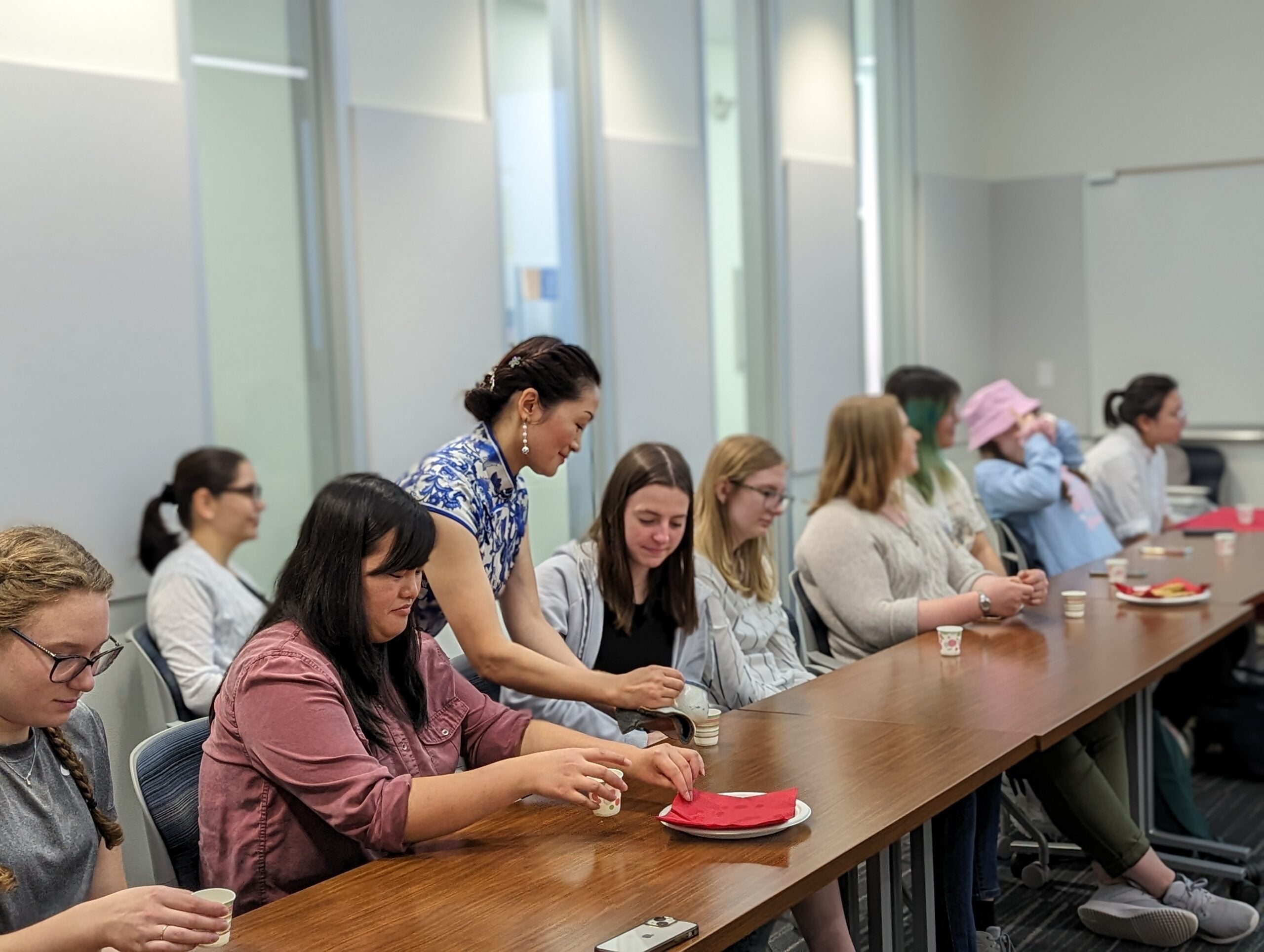
Celebrating Chinese language and culture in Eau Claire
Kaishan Kong, a professor at the University of Wisconsin-Eau Claire, has seen firsthand the power of language study to bolster community.
“Our students are active and engaged participants in community services such as translation and interpretation in different settings like court, schools, health care facilities,” she told “Wisconsin Today.”
Kong teaches classes in Chinese language and culture. She believes these are vital to helping students develop deep knowledge of other countries and the people who live there, in addition to the more than 17,000 Wisconsin residents who speak Mandarin, Cantonese or another Chinese dialect.
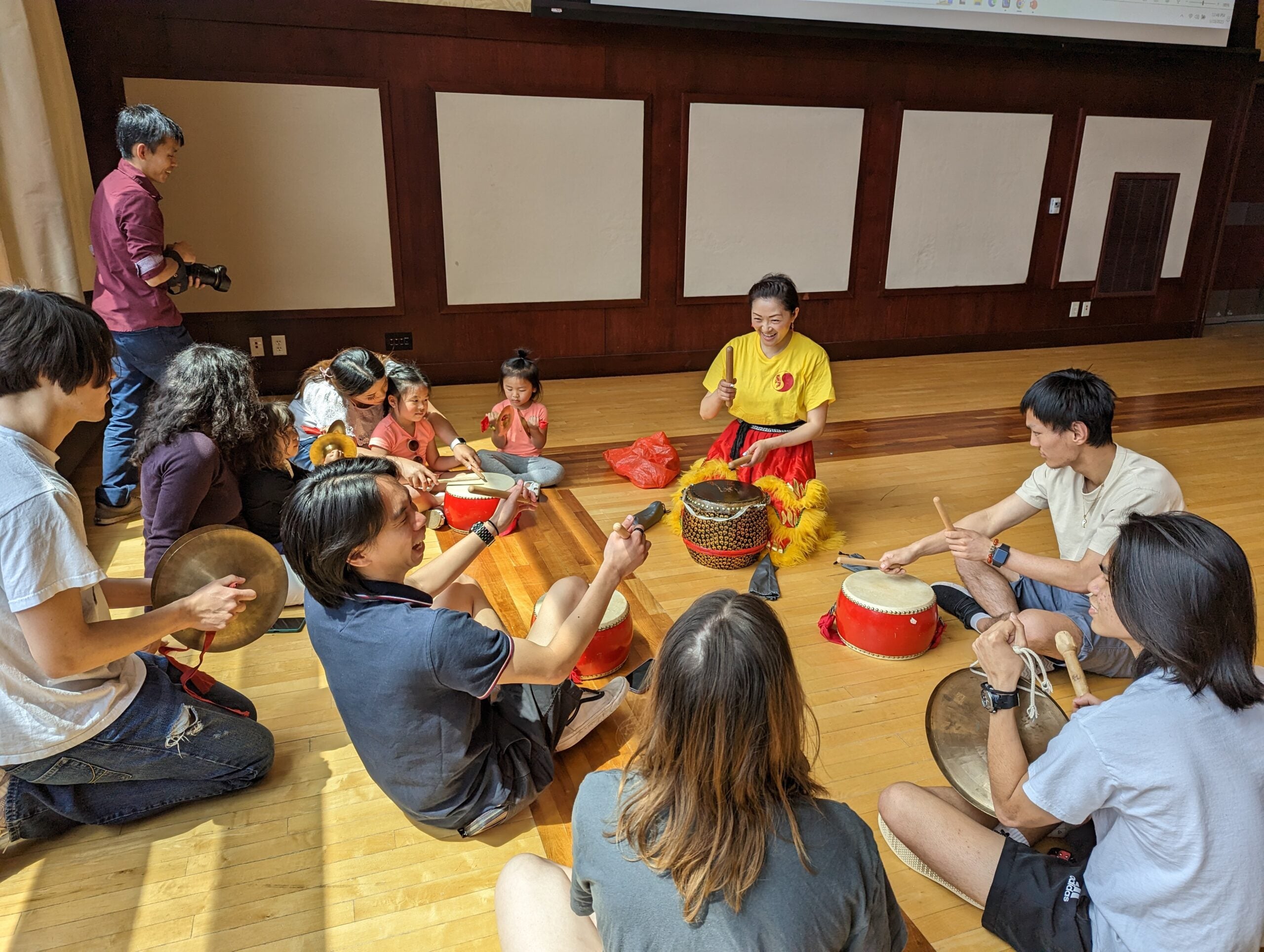
To help bridge language and cultural learning, Kong hosts events like tea ceremonies and cooking classes. Each year, her department puts on festivities for Lunar New Year, considered the most important holiday in Chinese communities around the world.
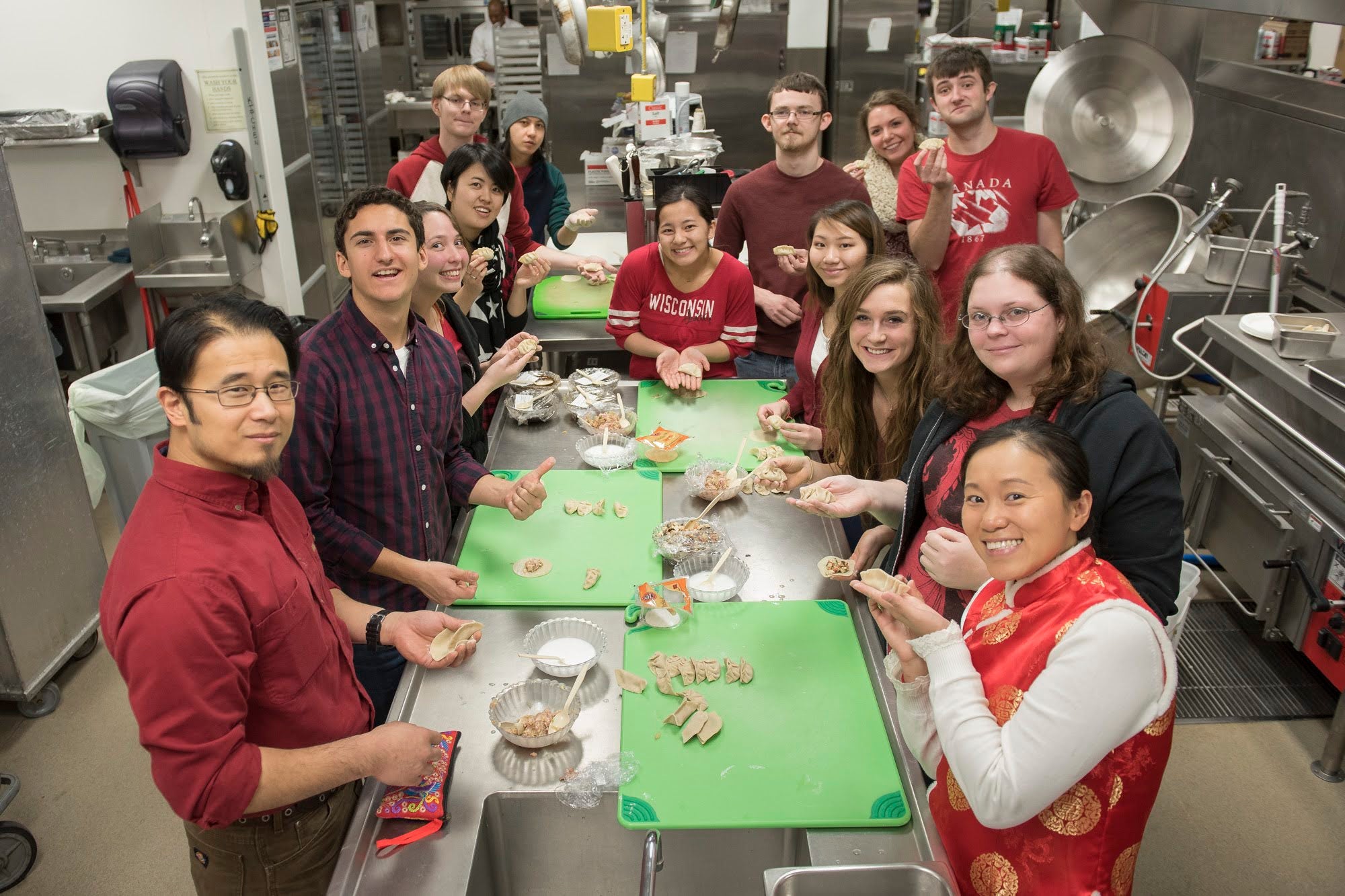
In 2023, Kong’s program at UW-Eau Claire received the Global Engagement Initiative award from the American Council on the Teaching of Foreign Languages. The university is considered a top producer of Fulbright recipients, a prestigious study abroad program overseen by Title VI that has been in limbo this year due to political interference.
For Kong, it’s important that language and study abroad programs continue to help students develop critical thinking skills and empathy — and to stay competitive in the global marketplace.
“The world develops regardless of whether we participate or not,” she said. “We should prepare and engage our students to dive into engaging this global development. When students go beyond bubbles, they will see that the world is more complex than what they learn from the textbook.”
link