AI And Entrepreneurship Education: Preparing Students To Lead


preparing students to lead in an AI-driven world
Research indicates a fivefold increase in demand for AI skills, yet most schools still ban the use of ChatGPT. A recent survey found that 70% of graduates believe generative AI should be integrated into coursework, and more than half said they felt unprepared for the workforce. At the same time, 66% of teens aged 13-17 express interest in starting their own businesses, according to Junior Achievement data.
The disconnect is apparent: students want to build careers around emerging technology, but traditional education isn’t teaching them how. While schools debate AI policies, forward-thinking programs are already training middle schoolers to launch AI-powered ventures and solve real problems. They’re not preparing students for tomorrow’s job market. They’re teaching them to create it.
Real-World Learning Replaces Theoretical Education
The most effective programs abandon traditional classroom simulations in favor of authentic business creation. Students don’t earn grades—they gain customers, revenue, and practical skills that transfer directly to college applications and future careers.
At WIT (Whatever It Takes), which I started in 2009, teens launch actual businesses and social movements that address real community problems. In the college-credit programs, students pitch for actual prize money, receive real-time coaching from successful entrepreneurs, and develop presentations that have landed participants in major publications.
We ask participants one question: “What problem are you passionate about solving?” We then provide the tools, mentorship, and structure to help them build effective solutions.
WIT has worked with over 10,000 young people, providing leadership and entrepreneurial education through hands-on experience. The results speak volumes—our alumni consistently report higher confidence levels, stronger college applications, and clearer career direction compared to peers who only engage in traditional academic activities or simulation business programs.
This shift toward authentic learning experiences isn’t limited to K-12 education. As the demand for AI skills explodes across industries, universities are also abandoning traditional lecture-based models in favor of programs that prepare students to create rather than just consume technology.
Universities Embrace AI Integration
University of South Florida (USF) made history as the first university in Florida—and among the first nationally—to create an entire college dedicated to AI and cybersecurity. The Bellini College of Artificial Intelligence, Cybersecurity and Computing will welcome 3,000 students this fall, with plans to double enrollment in the first five years.
The timing reflects urgent market demands. Research indicates a fivefold increase in demand for AI skills in U.S. jobs, while more than 40% of organizations report being unable to find enough qualified cybersecurity professionals. The National Science Foundation awarded over $800 million for AI-related research in a single year.
“As AI and cybersecurity quickly evolve, the demand for professionals skilled in these areas continues to grow,” USF President Rhea Law explained. “Through the expertise of our faculty and our strong partnerships with the business community, the University of South Florida is strategically positioned to be a global leader in these fields.” An example of this is Embarc Collective, which works with USF to connect students with real-world opportunities inside Tampa Bay’s startup and innovation ecosystem.
Dr. John Licato, Associate Professor at The Bellini College of Artificial Intelligence, Cybersecurity and Computing, puts this educational shift in perspective: “AI and cybersecurity already touch every single job on earth. Universities everywhere are trying to incorporate these technologies into their programs so students can practically leverage them, but at the same time further develop their own critical thinking and reasoning.”
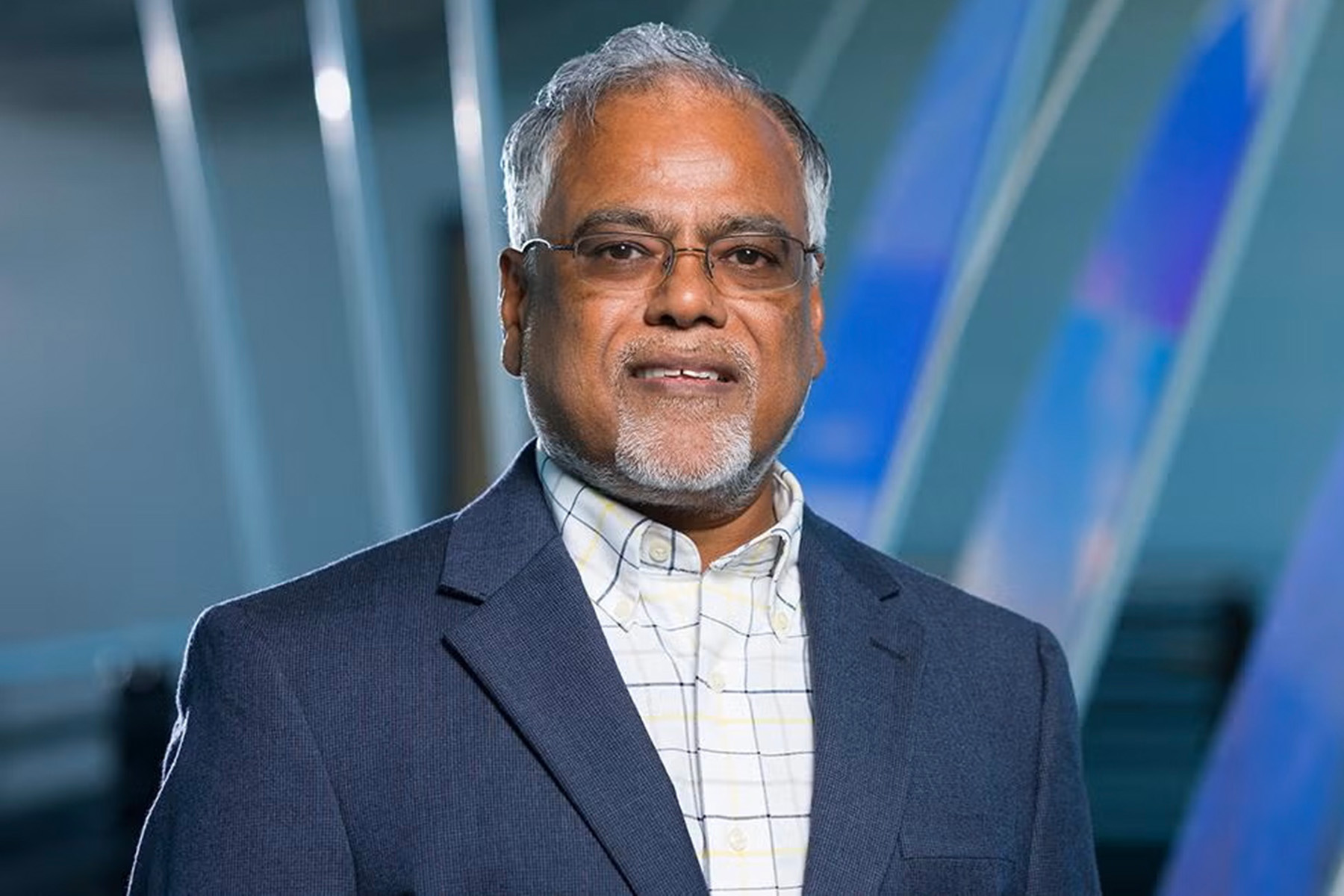
USF Provost Dr. Prasant Mohapatra told me, “We’re not just producing job seekers—we’re producing job creators.” The college leverages USF’s existing strengths—approximately 200 faculty members already conduct research in related disciplines—while positioning the Tampa Bay region as a technology hub.
USF’s bold move breaks from traditional models of higher education. Most universities incorporate AI courses into their existing programs. USF built an entire college around emerging technologies, combining technical training with business education because students need both skills to succeed.
Bridging the K-12 AI Knowledge Gap
Teenagers already use AI tools regularly. Data shows 63% of U.S. teens use chatbots and text generators for schoolwork. Yet most schools ban these tools or label them as cheating. This creates a problem: students learn AI exists, but not how to use it ethically.
WIT created WITY to fill this gap. Our AI platform helps teens develop business ideas and conduct market research to inform their entrepreneurial endeavors. Students learn to work with AI without losing their creativity or critical thinking abilities.
USF also works with younger students. The Bellini College offers workshops for K-12 students through partnerships with education programs. These sessions introduce kids to AI concepts through hands-on projects.
Dr. Mohapatra shared his philosophy with me: “We want to show kids that AI isn’t something to fear. It’s something they can learn to use responsibly and creatively.”
AI Success Metrics That Matter
Programs that successfully prepare students for an AI-driven economy share several characteristics:
Authentic challenges: Students tackle real problems with genuine consequences, not hypothetical scenarios designed for assessment.
Interdisciplinary approach: Effective programs integrate technology, business, ethics, and social impact rather than teaching these subjects in isolation.
Confidence development: Students learn self-advocacy, self-worth, and self-value through entrepreneurial experiences. These capabilities transfer to college applications, job interviews, and leadership roles.
Early exposure: Rather than waiting until senior year, these programs introduce innovative thinking in middle school and early high school.
Research supports this approach. A 2022 Gallup survey found that students involved in entrepreneurship programs were 34% more likely to develop leadership skills and 41% more likely to report feeling prepared for future careers.
The AI Competitive Advantage
Students emerging from these programs possess advantages that traditional education alone cannot provide. They understand how to identify market opportunities, collaborate effectively with AI tools, and communicate their ideas clearly to diverse audiences.
College admissions officers increasingly recognize entrepreneurship as a marker of leadership, innovation, and problem-solving ability. Students who can demonstrate how they built something from the ground up bring more than just an application; they get a track record of action.
These experiences provide rich material for personal statements and interviews while demonstrating the initiative and resilience that colleges value in their incoming classes.
Building Tomorrow’s AI-Driven Economy Today
Programs that combine AI literacy with entrepreneurial education create an exponential multiplier effect. Students don’t just learn to use existing tools—they develop the creative mindset to identify problems that AI can solve and the business acumen to turn those solutions into viable ventures.
The students graduating from these programs represent a new breed of innovator. They’re not just prepared for an AI-driven economy—they’re actively architecting it, armed with both deep technological fluency and the entrepreneurial skills to transform breakthrough ideas into market-changing impact. This represents a fundamental shift in educational philosophy—from preparing students for predetermined career paths in a static economy to empowering them to create entirely new industries and opportunities in our rapidly evolving technological landscape.
link